
“The cure for pain is in the pain.” -Rumi
In this time of political change, war, catastrophic world and personal events, and pressure to be perfect, our emotional bodies get taxed and stressed. It can be very confusing especially during the holidays when added stresses are present. We are encouraged to be creative, kind, generous, and social, to go out to parties, make cookies and rejoice!
We often put on a mask that everything is peachy so we don’t ‘bring everyone down.’
We make excuses (or wish we could) of why we can’t attend a party. We lose sleep over stressing about details or caring for other people’s needs. Sometimes all we want to do is crawl into our warm beds and cry.
I am here to give you permission to do just that, to find a comfortable and safe place to lay down and ‘feel the feels’ without distraction, without interruption. It is important any time of year as our lives ebb and flow in various, sometimes unpredictable directions. This is an important part of self-care, of productivity, and it is crucial for the ability to be present at social gatherings. We need to be able to take time for ourselves to feel and process the hard stuff. I call this ‘nurturing the void.’
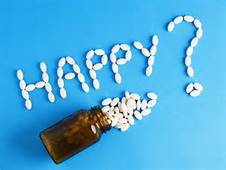 There are so many reasons why our culture does
n’t leave space for nurturing the void. There are medications, vices, distractions and “cures” for any uncomfortable condition, especially ones that might keep you from productivity in your job or domestic duties. We are trained to ignore our pain, cover it up, or even worse, numb it with drugs and alcohol. The pain still exists inside our bodies, but when we don’t nurture it, it can turn into physical pain and/or disease.
We need to start feeling the emotional pain. Why is it so scary for us to allow ourselves to feel deep, dark feelings? Because it hurts, that’s why. And we are trained that hurting is not ok. As kids, our parents came to the rescue to fix our boo-boos as quickly as possible. We are conditioned to belie ve that pain is bad. Children are born with the ability to process emotions and let them move and change quickly and organically. Many parents numb and stomp on this gift by telling their kids that only babies cry. By the time we are teenagers, we are already developing unhealthy habits and vices to cover up unfelt emotional pain resulting in excessive drug and alcohol abuse, violence and murder.
Here’s some news, friends. It is good to feel your pain. Pain can be one of our best teachers. Also it is extremely important as part of the pursuit of feeling good. The deeper we can allow the dark feelings in, the more ecstatically we can feel the joy.
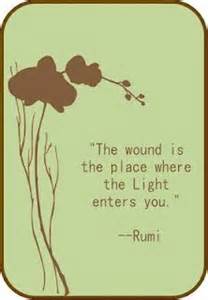
Sounds cliche, right? That’s because popular culture has written it off as new age mumbo jumbo, and we bought it. Here’s some news. It is not new age. The wise masters have been teaching us this for centuries. Our deepest learnings come from our darkest places. If we invite the mystery, invite the emotional pain, invite the darkness, we give way to more light. This means if we feel the feels when they manifest as sadness, fear, and anger, we can feel them more deeply when they manifest as joy and happiness. It’s freedom, my friends. Liberation from the chains of our linear brains, and opening into the wisdom of our emotional bodies.
“When we protect ourselves so we won’t feel pain, that protection becomes like armor, like armor that imprisons the softness of of the heart.” ― Pema Chödrön
When I look back on my life, I remember many times that I ran away and hid from the void, and times when I allowed myself to feel and move through it. My most intense experience of this was the grief and trauma I felt after the death of my mother in 2012. I had been taking care of her and my father since she was diagnosed with cancer. When I finally returned to my home, I consciously walked into the void. There was no way for me to escape it, so I surrendered.
It really hurt. I felt alone. Nobody could possibly know what I was going through. I lay in my room in a foggy haze, I walked my dog, and I exercised. During this time I also faced fears that had been holding me back for years from connecting with people (especially men) in social environments. It seemed that the fears I had no longer applied to my life. Within the sadness I felt so deeply for months, a shift was happening that opened up space for new patterns and belief systems. My fear of not being loved changed to the realization that everyone wants connection and love, just like me. I approached people differently and I made connections that I never could have before.
After my mom died, I remember saying “I feel like my DNA has shifted.” I was becoming a different person. The void was like a cocoon where I went to feel what was real, and emerged little by little with new wings to fly.
Sadness, fear, grief and anger are extremely hard to handle in the modern world where we have to “hold it together.” But I cannot imagine the physical pain and sickness that would have manifested in my body if I had not allowed myself to feel all the feels. Since then I have become aware of many other voids that have come in and out of my life. Now I embrace the dark, mysterious feelings and create space to feel them, allow them to move through and teach me about myself.
What are some events that we humans experience regularly that can cause fear, sadness, anger, and emotional pain? Tragedies, deaths of loved ones, arguments, political and personal changes, horrific news, hormonal shifts, weather, fatigue, and also the darkness of winter. Whatever reason or excuse we accept, we need to stop shoving our emotions down, numbing and distracting ourselves, and we need to start feeling. We are literally making ourselves sick.
Together we can pave the way for a cultural change where it is socially accepted to be honest with other people about what is real for us. “I need to take some time for self-care today.” Boom. Let’s create the world we want to live in.
So how do we do it?
How do we nurture the void and feel the feels?
Step 1. Create a lifestyle that invites and allows space for getting to know your emotional body and understanding your intuition.
You don’t have to quit your job and move into an ashram. You don’t have to do it all at once. Here are some things you can start adding into your lifestyle as you make space for them:
- Adopt a self-awareness practice. Look for a way to check in with yourself every day. Find something that you enjoy and can look forward to like going for a walk, gardening, writing, riding a bike, yoga, tai chi, cooking, dancing, sitting quietly and observing your breath, or even cleaning. Take a break from your thoughts during this practice, and just be with yourself. It can be structured like a yoga class or completely organic like gardening or dancing. Again, look for something you enjoy. The point is not to improve or impress, but to find something that you want to do every day. Keep it simple and intuitive.
- Self-care. My personal self-care list is as follows: Nourishment (eating/drinking), sleep/rest, exercise, stress reduction, and touch (see #5). For the purpose of this blog, I will focus on stress reduction. It is important to practice relaxing at some point during every day other than when you finally plop into bed at night. Like it or not, stress is a choice, and you can choose to lower it. You don’t have to stop doing the things that cause you stress, but you can approach them in new ways. For example, when you are in traffic, instead of stressing about being late or how stupid the other drivers are, try breathing, listening to music or a podcast/dharma talk that you enjoy, and remember that you are choosing to be here, and you will eventually get somewhere else. Try having compassion for yourself and the drivers in the cars around you. It may sound silly, but it could quite possibly change your mood and social interactions for the rest of your day.
- Create a support system. One of the key things that help you to create change is to surround yourself with people who support you and your lifestyle. Sometimes our families are a good fit, and sometimes not. A great way to seek out this support is to start attending yoga or meditation classes or go on a retreat or organized group outdoor adventure. These types of events create a bonding experience for people to cultivate trusting relationships. Take a risk and start sharing yourself with people. You may be surprised that people want to connect in this way. Once you have a someone you feel save with, make an agreement to be each other’s go to person in times when you need support.
- Pause. Practice the “Buddhist Pause” especially in times of conflict or potential argument, when your fight or flight response is triggered. This one takes practice. I mean years of practice. But we have a lifetime. Instead of reacting to an unpleasant remark or situation, try pausing to witness your interior processing of thoughts and emotions. Most of the time anger is a product of fear and/or hurt feelings. If we practice the pause, we can become more in tune with our emotional state and how it is affected and triggered by our relationships.
- Receive touch. Receiving non-sexual touch from another human is like receiving breath. It is a gateway to the physical, emotional and energetic bodies. There is no substitute for it. Some examples of healthy, non-sexual touch may include massage, holding hands, hugging, and snuggling. What works for you? Take a risk.
- Simply invite the emotional body to be present. Just the simple awareness that you are open to feeling can liberate the chains of our restrictive, learned patterns. Breathe.
Step 2. Tactics. What do you do when you feel a strong, maybe scary emotion. How do you approach feeling the feels?
- Lie down, relax, and get comfortable. If your body calls for it, move. Maybe put on some soothing music.
- Breathe. Imagine you are bringing more life into your body when you inhale, more presence, more awareness. Allow the breath to make more space in your actual body for movement of energy and emotion.
- Seek support. Snuggle with a pet or call a human friend. Ask to be held or just listened to. If nobody is available at that time, hold yourself. Practice compassion and self-love and try not to judge.
- Lean in to whatever is there. Let it change and move you. The easiest way to cause more suffering is to resist the hard feelings, to wish it were different and to harden and tense against it. Instead try leaning into the pain without judgement of it. Let it be there. Welcome it and allow it to move through you.
- Make sounds and/or move your body. Whatever you do, don’t get stiff. Sounding and movement can help you move the energy and emotion. When you exhale, allow sighs, sounds, and vibrations to come out. Move in an organic way that encourages your body to open.
- Give it time. Take the time you need to relax and open into this new space. Hold yourself in loving kindness like a mother holds a child.
- When you feel complete, practice self-care. Check in with yourself. What do you want/need now? Eat a nourishing meal, go for a walk in the fresh air, or hang out with a friend for a bit. Tenderly come back and feel how it is to do normal things. Be gentle with yourself, and observe.
Note: If you have a busy or stressful lifestyle, and you finally let yourself relax and feel, you may feel a huge relief. You might realize that there are a lot more feels to feel inside than you thought. It might feel like the floodgates have opened and the tears are endless. Don’t worry. Trust yourself and let it flow. Be careful of confusing the need for down time with getting depressed. If you notice yourself getting addicted to the darkness, try to do something that brings you back to your life. A small task or act of kindness can help you direct your attention away from depression when it gets all consuming. The feels can give you insight to make small changes in your life or to the situation that is causing your pain. Listen to them, but don’t get addicted to the pain itself. Seek help from a friend or therapist. Asking for help is a sign of courage and self-awareness.
Be present, and keep moving. We can only move forward from where we are with the tools we have collected. Life is a practice, and we can practice together. Share yourself. Open up to your true potential. Create space in your lifestyle and your body to feel the feels. Your quality of life will improve and you will be free. Face every sunrise as a new day, a re-birth of infinite possibilities.